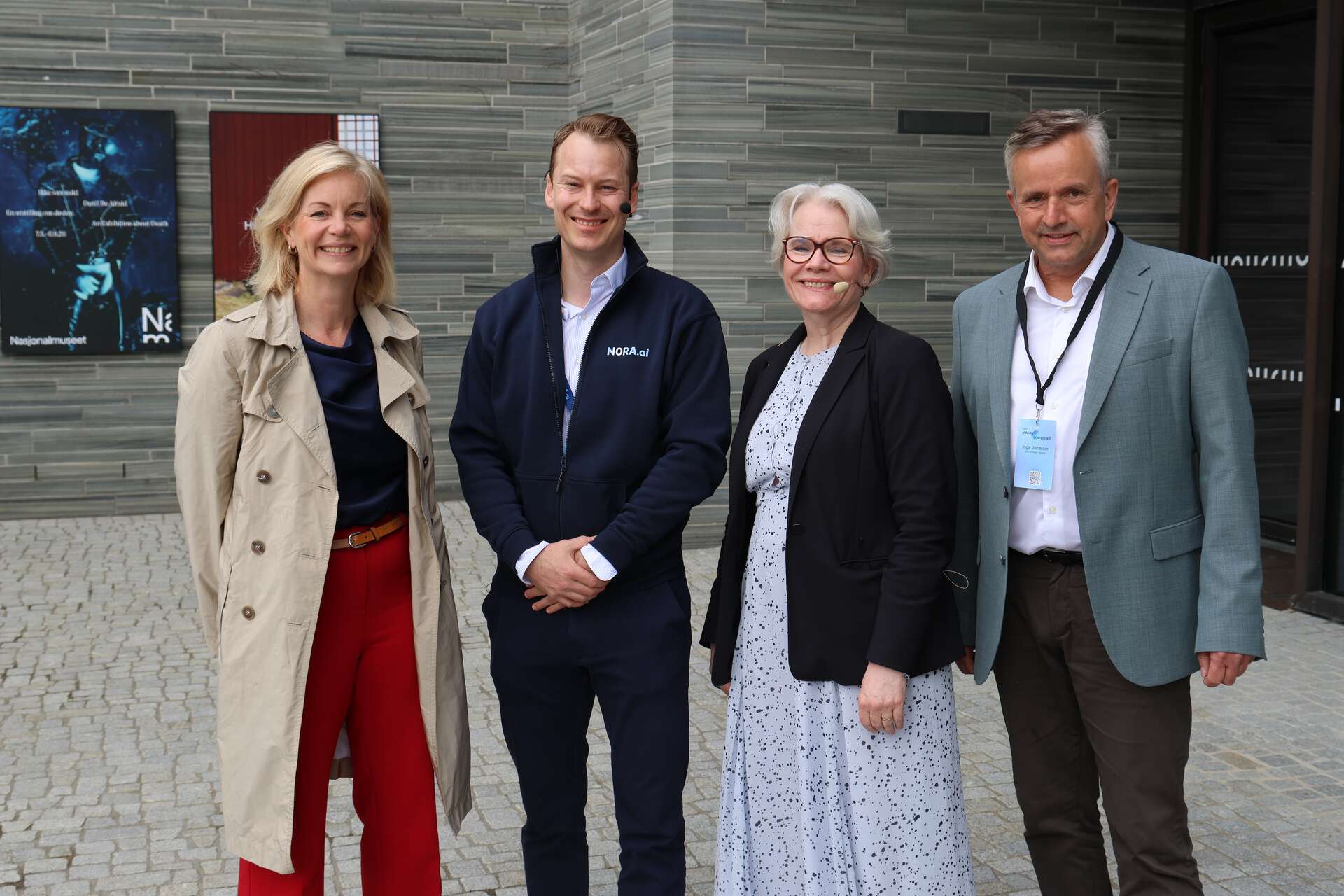
The conference brought together participants from academia, industry, and the public sector to discuss both the scientific frontiers of artificial intelligence and the broader societal transformations AI is creating.
The conference opened with a warm welcome by Solveig Kristensen, Dean at The Faculty of Mathematics and Natural Sciences at UiO, followed by an official address from Sigrun Aasland, Norway’s Minister of Research and Higher Education. Michael Solvang, CEO of NORA, provided an overview of NORA’s recent initiatives and vision for the future, followed by an introduction to AI in science by the chair of the meeting, Geir Kjetil Ferkingstad Sandve from UiO.
AI for Scientific Discovery and Real-Time Decision Making
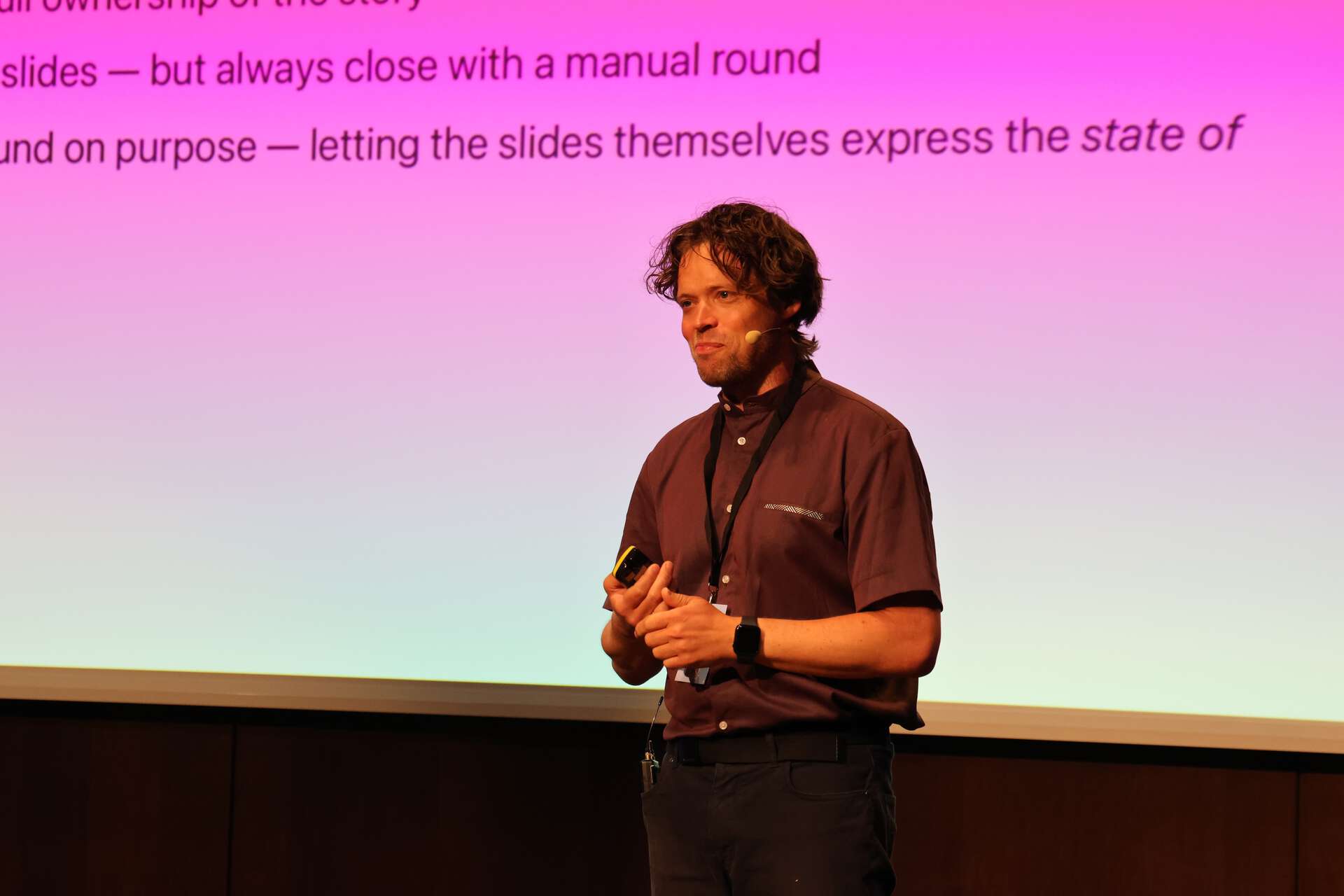
The scientific programme opened with a keynote by Kenneth Harris (University College London), who explored how AI is reshaping scientific research itself. Through examples from neuroscience, Harris demonstrated how AI systems can accelerate discovery by helping researchers analyse large-scale experimental data and even autonomously search for scientific explanations.
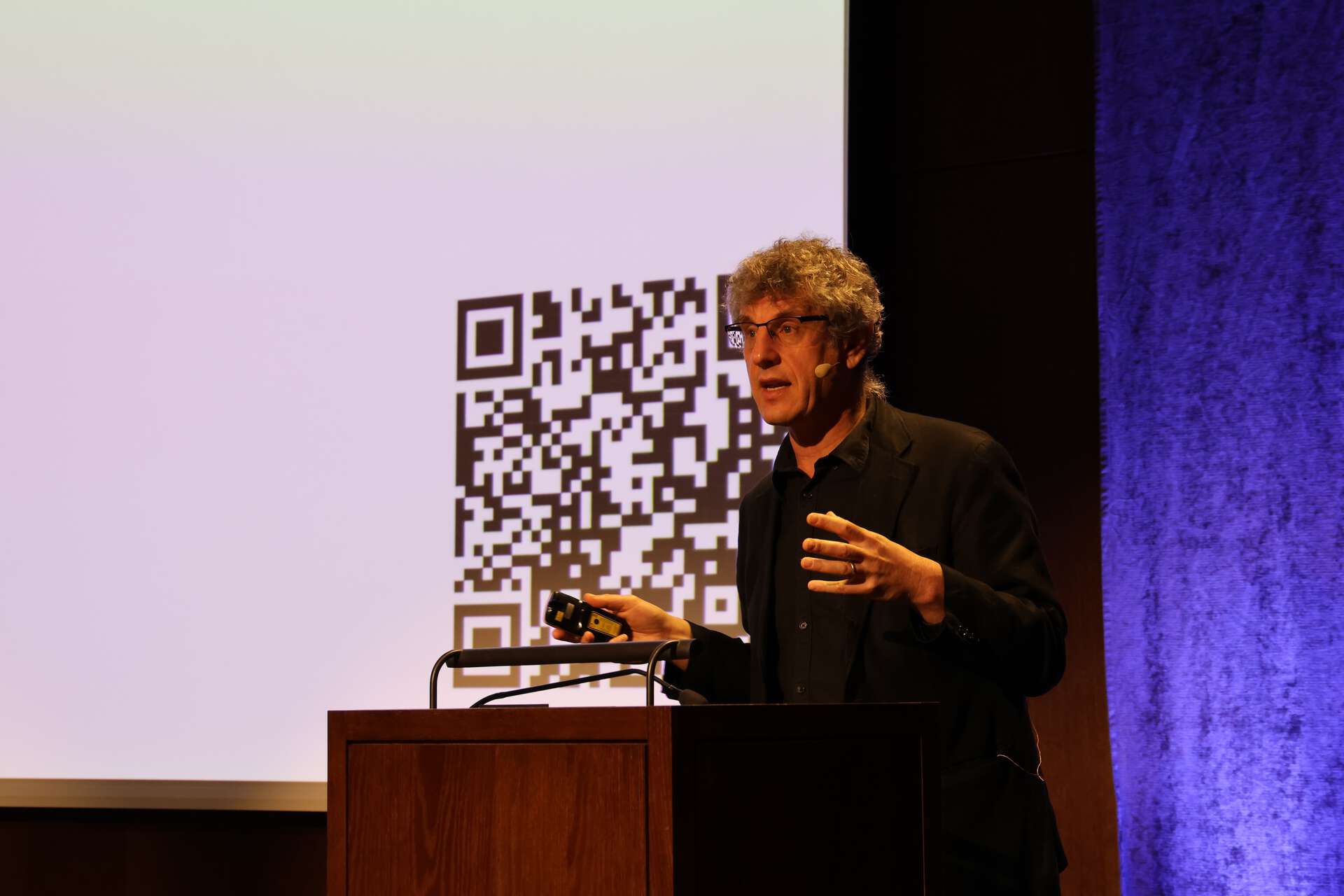
Among the examples presented was the International Brain Lab AI agent, a scientist-in-the-loop tool enabling neuroscientists to query and analyse large datasets of mouse brain recordings using natural language. Harris also introduced EDGAR, a fully autonomous AI research agent capable of identifying equations that explain neural population coding, illustrating how AI systems may increasingly contribute directly to scientific reasoning and hypothesis generation.
The keynote by Prof. Ingrid Kristine Glad (University of Oslo) focused on real-time anomaly and change detection in data streams. Glad presented ongoing work combining statistical methods and neural-network-based approaches to detect deviations and anomalies in high-dimensional sequential data. Her talk highlighted applications ranging from cybersecurity and sensor monitoring to AI operations and machine learning systems, emphasizing the need for methods that are both scalable and mathematically robust.
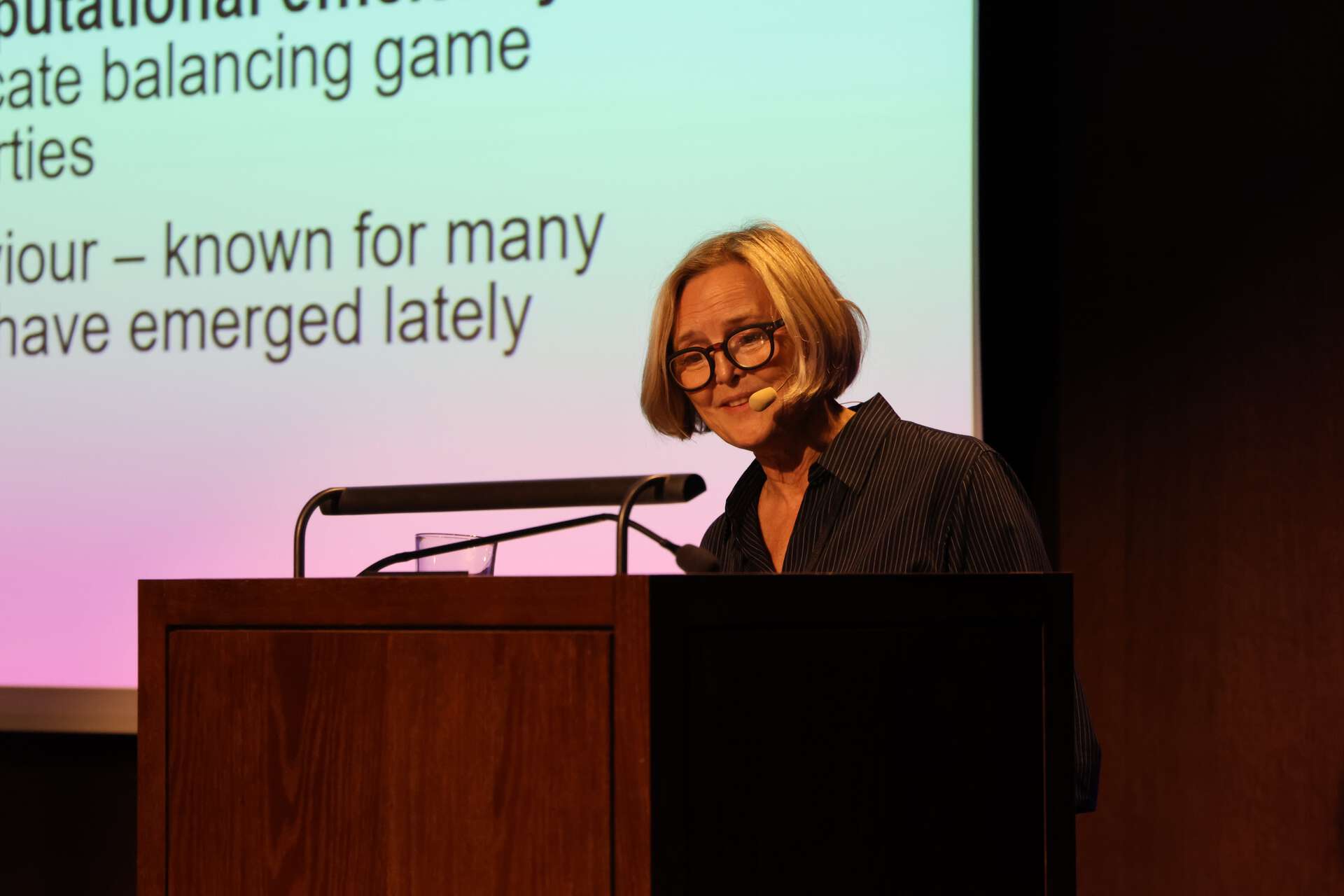
Glad also situated this work within the broader activities of Integreat – Norwegian Center for Knowledge-driven Machine Learning, one of Norway’s leading centres for machine learning research.
Responsible AI and the Future of Knowledge
A major theme of the conference was the societal and democratic implications of generative AI.
In her keynote, Ewa Luger (University of Edinburgh) argued that AI is no longer solely a technical endeavour, but fundamentally a societal and cultural one. Drawing on experiences from the UK national research programme Bridging Responsible AI Divides (BRAID), Luger highlighted the need to integrate perspectives from the arts and humanities into AI development and governance.
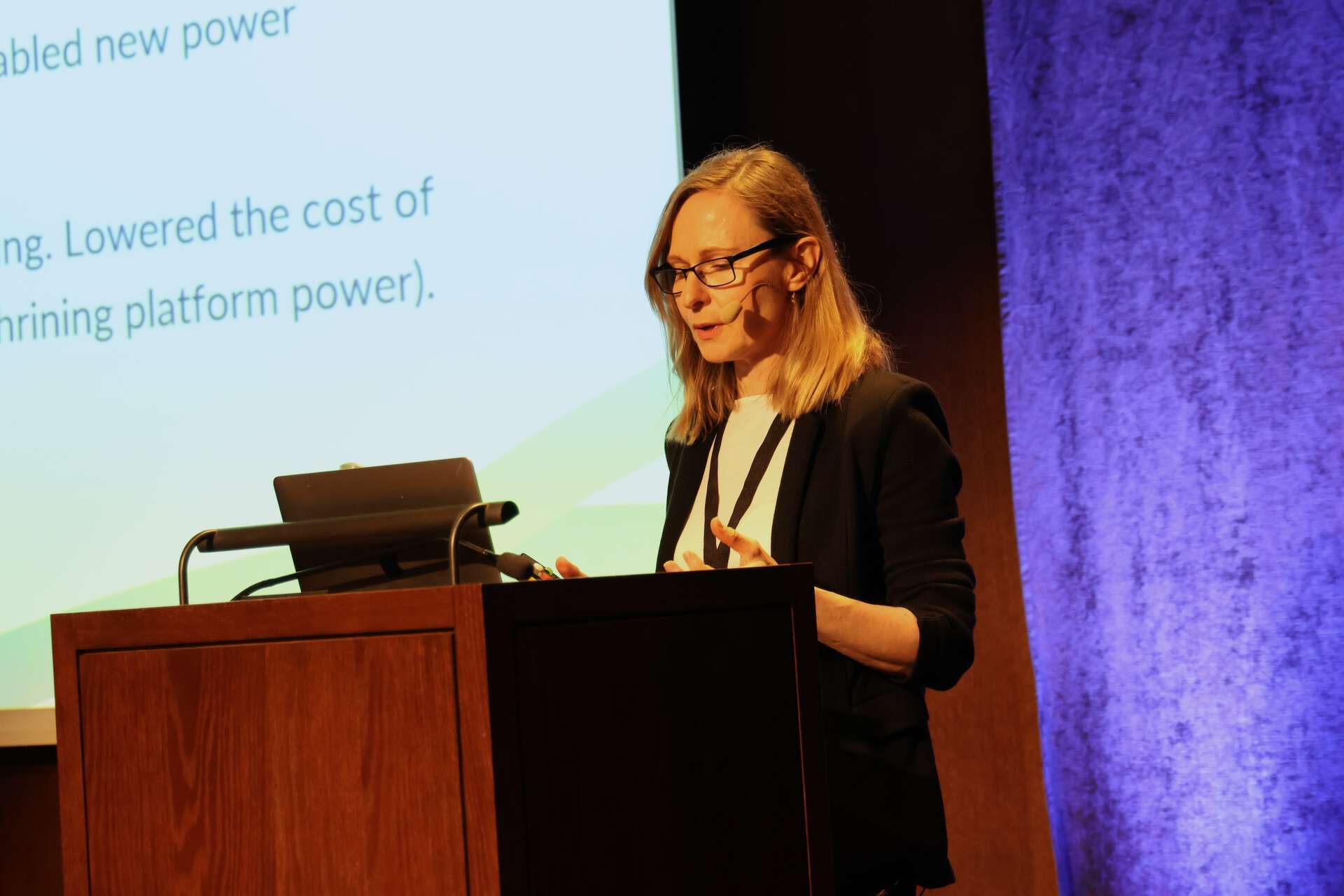
Her presentation explored how generative AI is beginning to reshape the wider knowledge ecosystem, raising concerns around provenance, attribution, misinformation, public trust, and democratic resilience. Luger emphasized that addressing these challenges requires broader interdisciplinary collaboration and a deeper understanding of AI’s epistemic consequences.
Explainable and Symbolic AI
Another highlight of the programme was the keynote by Ole-Christoffer Granmo (University of Agder), founder of the Centre for Artificial Intelligence Research (CAIR) and creator of the Tsetlin Machine.
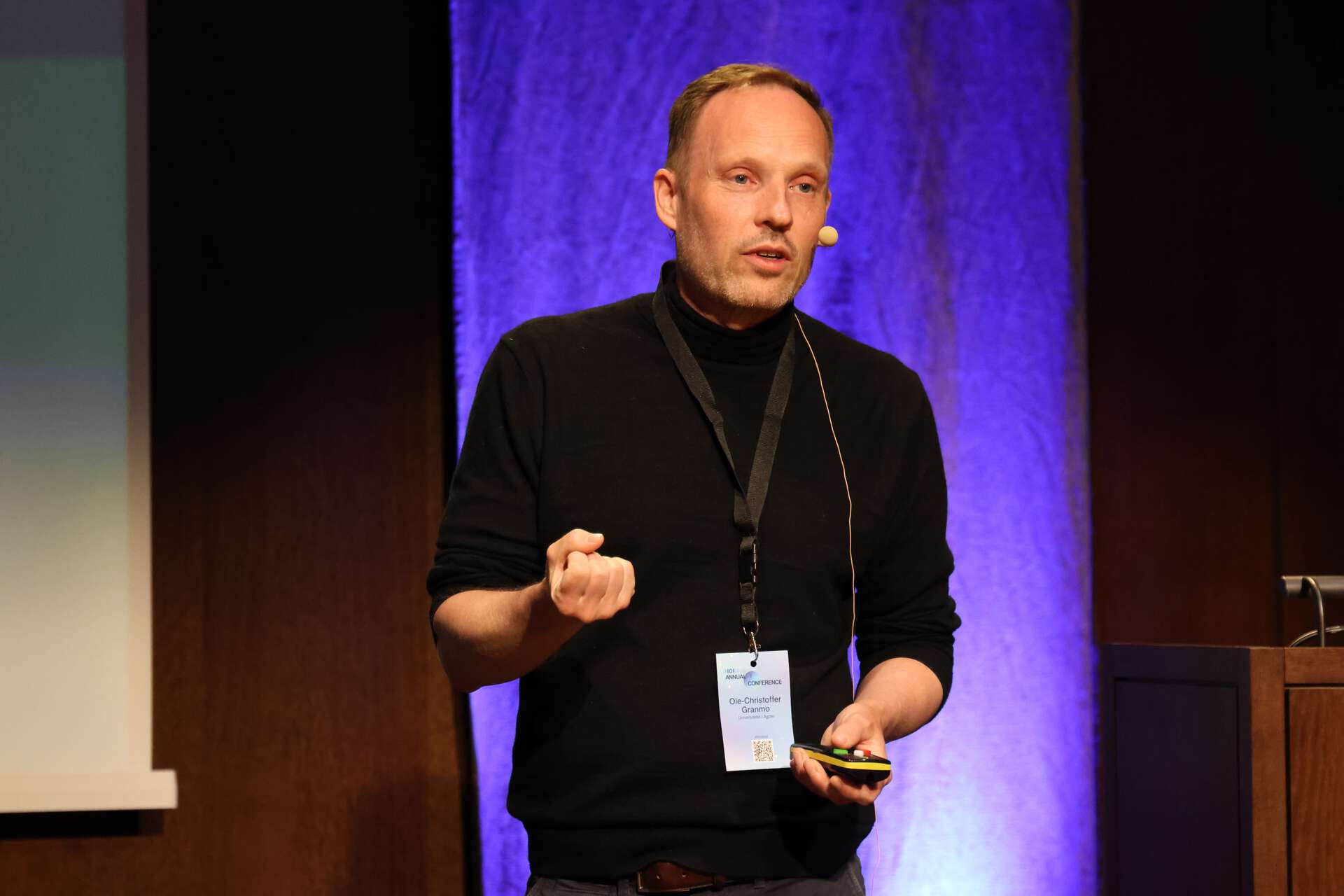
Granmo presented the Hierarchical Tsetlin Machine, a new generation of interpretable AI models built on logical rule hierarchies rather than neural-network architectures. The talk demonstrated how symbolic AI approaches can produce self-explanatory models capable of learning complex patterns while remaining computationally efficient and transparent.
By introducing AND-OR hierarchies into Tsetlin Machine architectures, Granmo outlined a possible path toward scalable symbolic-symbolic AI systems capable of rivaling aspects of contemporary foundation models while retaining explainability.
AI and Higher Education
The rapid integration of AI into education was another central topic throughout the conference.
In his keynote, Anders Malthe-Sørenssen (University of Oslo), chair of the Norwegian government’s expert committee on AI in higher education, discussed how AI technologies are challenging traditional approaches to learning, assessment, and examinations.
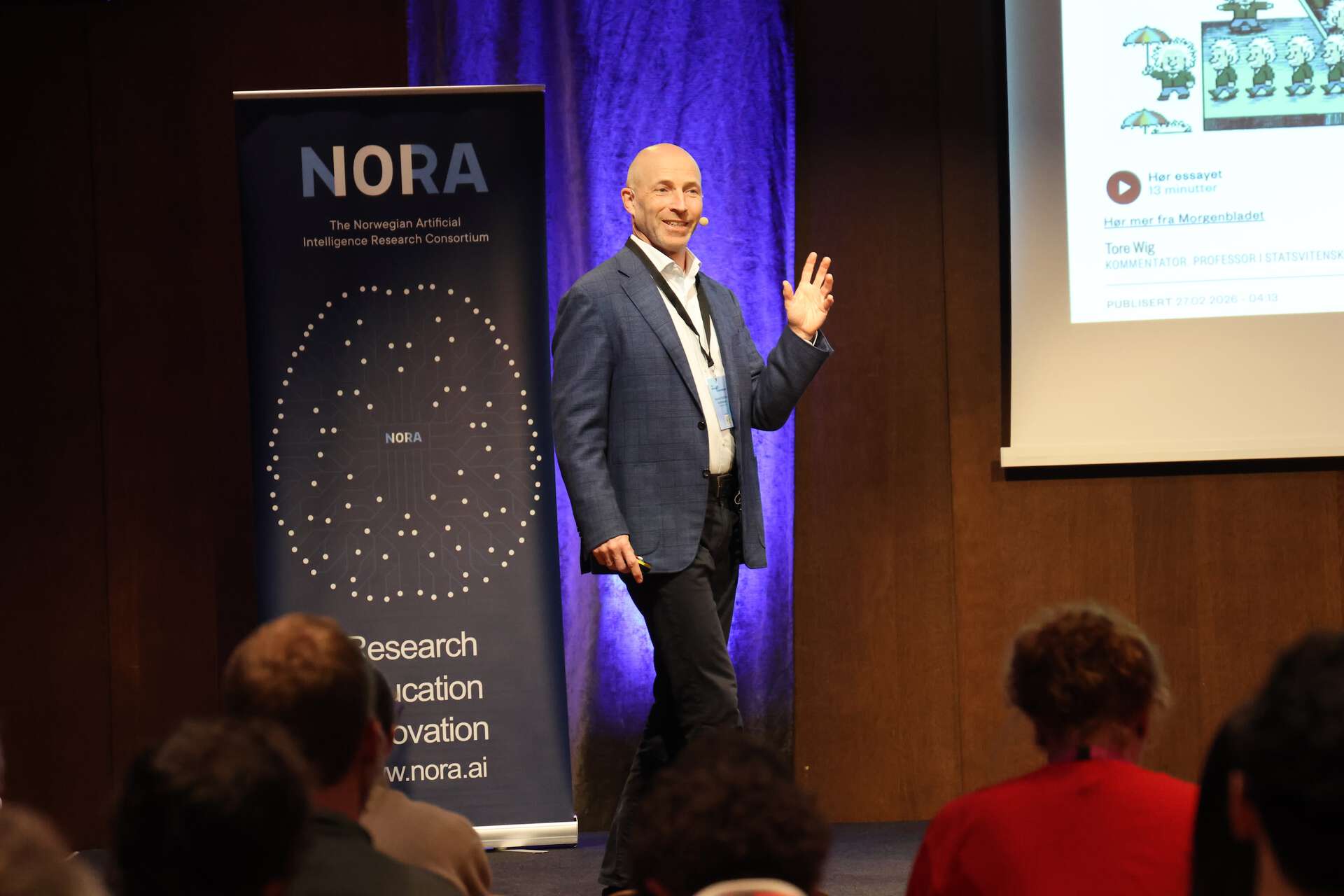
The talk addressed questions surrounding what students should learn in an age of generative AI, how AI can support learning processes, and how educational institutions should adapt assessment methods to ensure meaningful evaluation of learning outcomes.
These themes continued in a panel discussion on AI and Higher Education moderated by Sten Ludvigsen (University of Oslo), featuring Anders Malthe-Sørenssen, Virginia Conde Ruiz (University of Oslo), Ewa Luger (University of Edinburgh), and Kenneth Harris (University College London). The panel explored how AI is reshaping higher education and professional training, with participants emphasizing both the opportunities and risks of integrating AI into learning. Speakers highlighted the growing necessity of AI literacy across disciplines, while warning that overreliance on AI tools could undermine the development of foundational expertise, critical thinking, and self-regulation.The conference brought together participants from academia, industry, and the public sector to discuss both the scientific frontiers of artificial intelligence and the broader societal transformations AI is creating.
The conference opened with a warm welcome by Solveig Kristensen, Dean at The Faculty of Mathematics and Natural Sciences at UiO, followed by an official address from Sigrun Aasland, Norway’s Minister of Research and Higher Education. Michael Solvang, CEO of NORA, provided an overview of NORA’s recent initiatives and vision for the future, followed by an introduction to AI in science by the chair of the meeting, Geir Kjetil Ferkingstad Sandve from UiO.
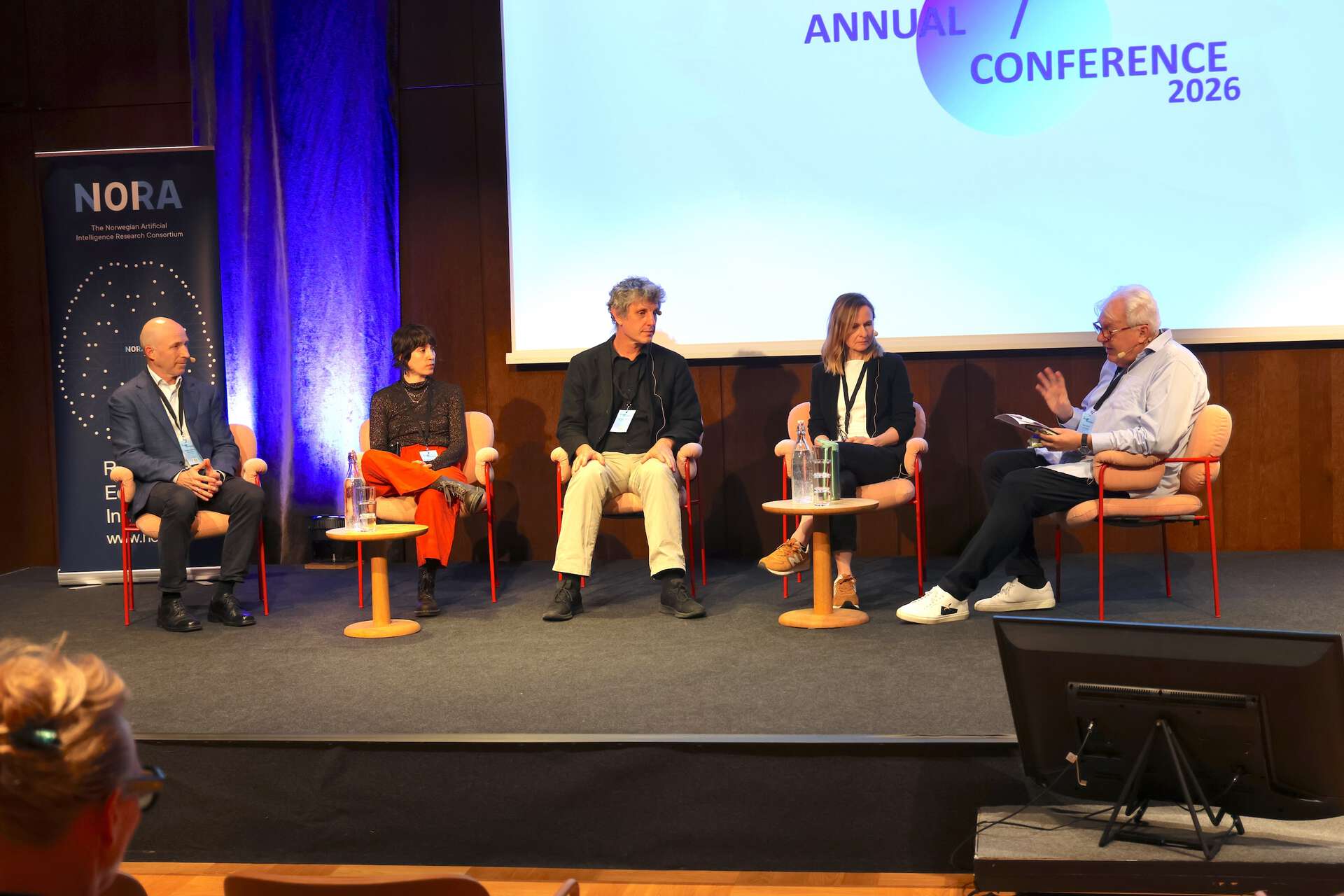
Several panelists argued for more reflective and discussion-based teaching, apprenticeship-style learning, and practical training that forces students to articulate and defend their reasoning. The discussion also stressed the importance of balancing AI-assisted learning with human interaction, social engagement, and the cultivation of motivation and curiosity in education.
National AI Centres and Norway’s Research Landscape
The second conference day featured presentations from Norway’s newly established six national AI centres, showcasing the depth and diversity of AI research initiatives emerging across the country.
The centres covered topics including human-AI interaction and hybrid intelligence (AI-Learn), embodied AI and robotics (NCEI), trustworthy and fair AI systems (TRUST), AI and creativity (MishMash), sustainable and ethical AI (Sure-AI), and AI-based decision support systems for industry and critical infrastructure (aiD).
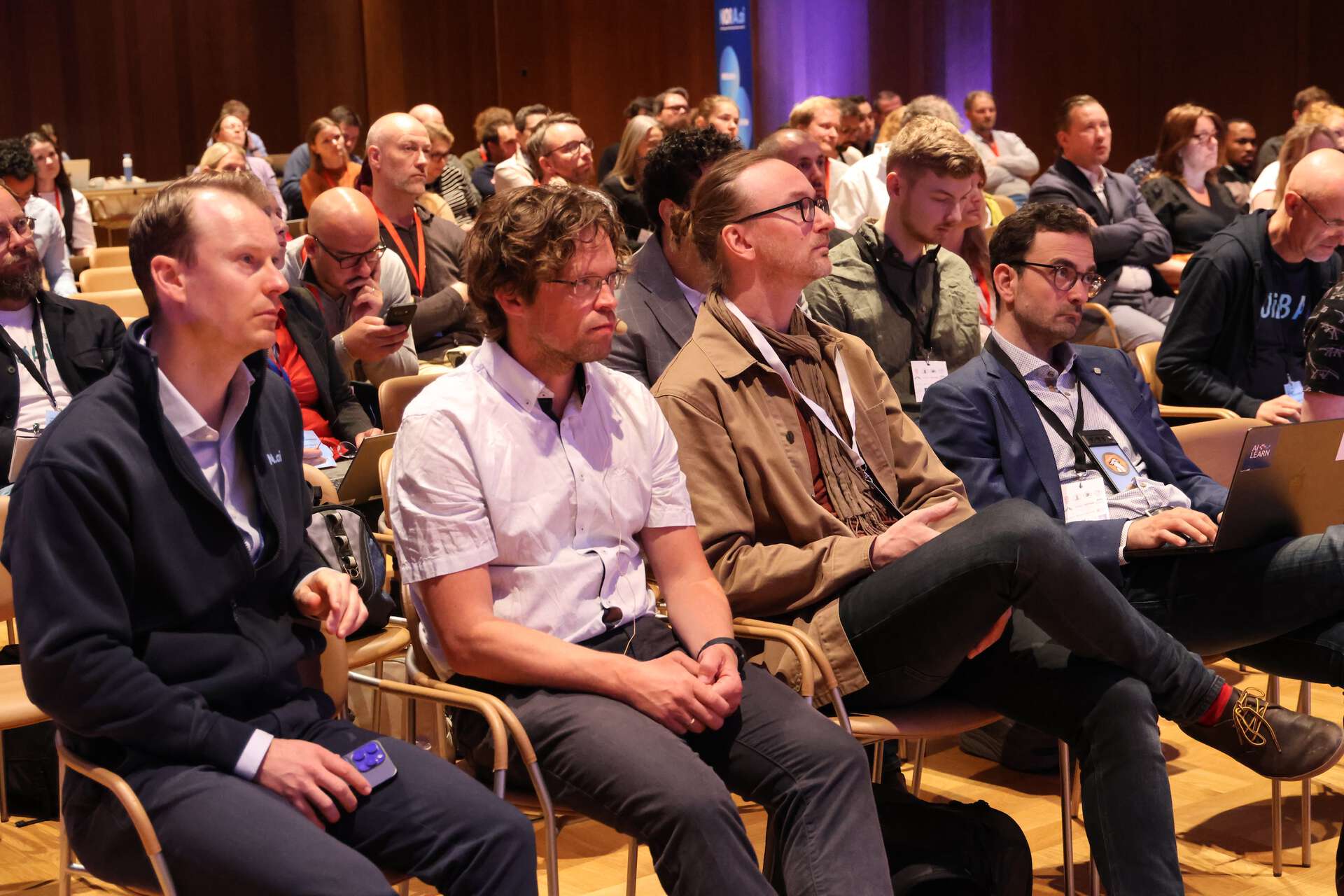
Together, the presentations illustrated how Norwegian AI research is increasingly organised around large interdisciplinary collaborations connecting universities, research institutes, industry partners, public-sector organisations, and cultural institutions.
Several presentations emphasized responsible AI development, sustainability, robustness, and societal value creation as defining priorities for Norway’s AI strategy.
Building Responsible AI for Society
The conference also addressed national coordination and governance efforts around AI adoption.
In her keynote, Heather Broomfield (KI Norge) presented the vision behind KI Norge, Norway’s emerging national arena for accelerating responsible and innovative AI use across society. Broomfield discussed the initiative’s role in strengthening collaboration, supporting implementation, and building a trustworthy foundation for AI deployment in Norway.
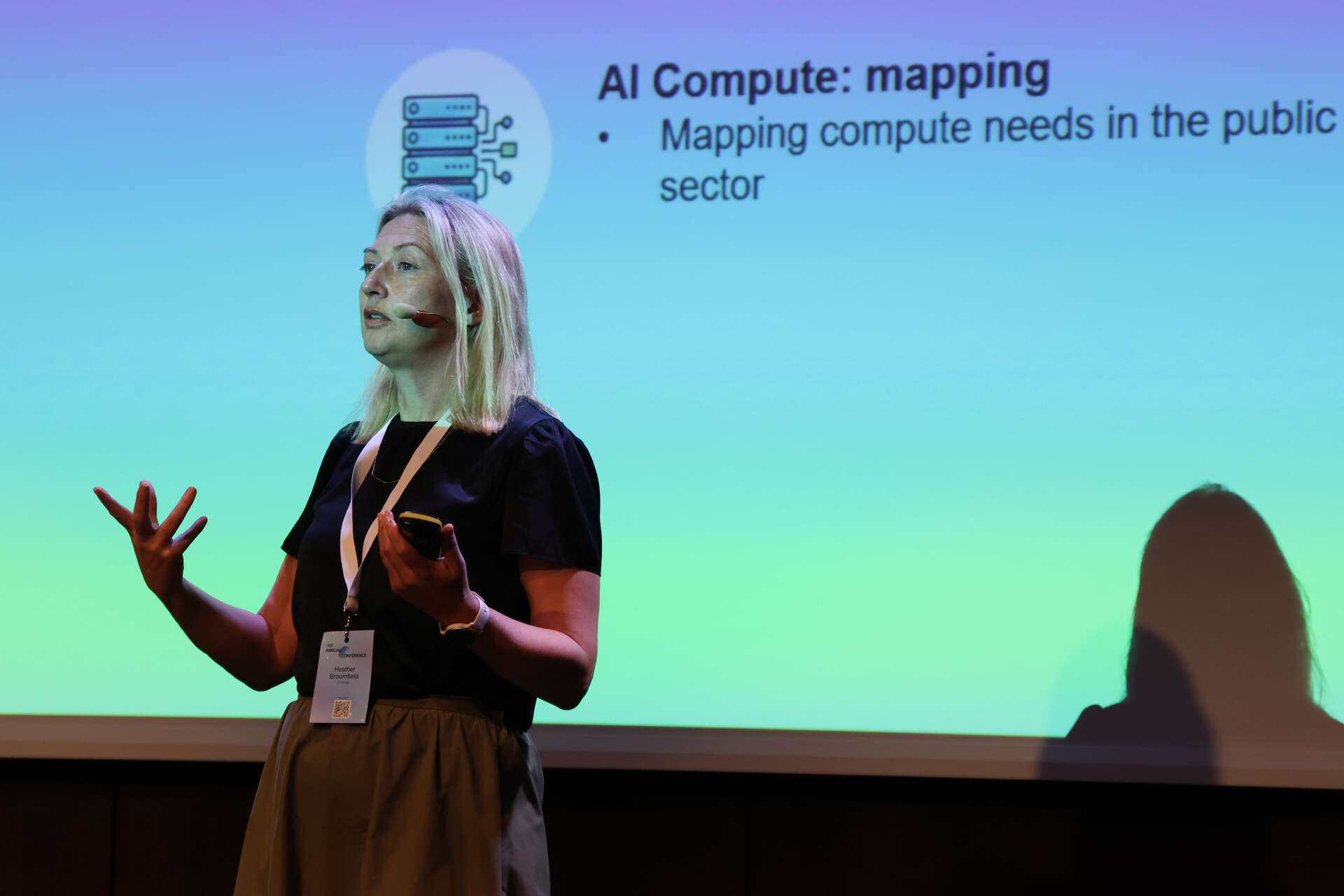
Her talk highlighted the importance of close engagement between research communities, policymakers, industry, and public institutions to ensure that AI development remains aligned with democratic values and societal needs.
Questions of governance and long-term AI safety were further explored during the panel discussion “How to approach AI safety in the Nordics?”, moderated by Morten Goodwin (University of Agder), featuring Tellef Raabe (Langsikt), Laurence Habib (OsloMet), Olav Lysne (Simula Research Laboratory) and Fredrik Heintz (University of Linköping)
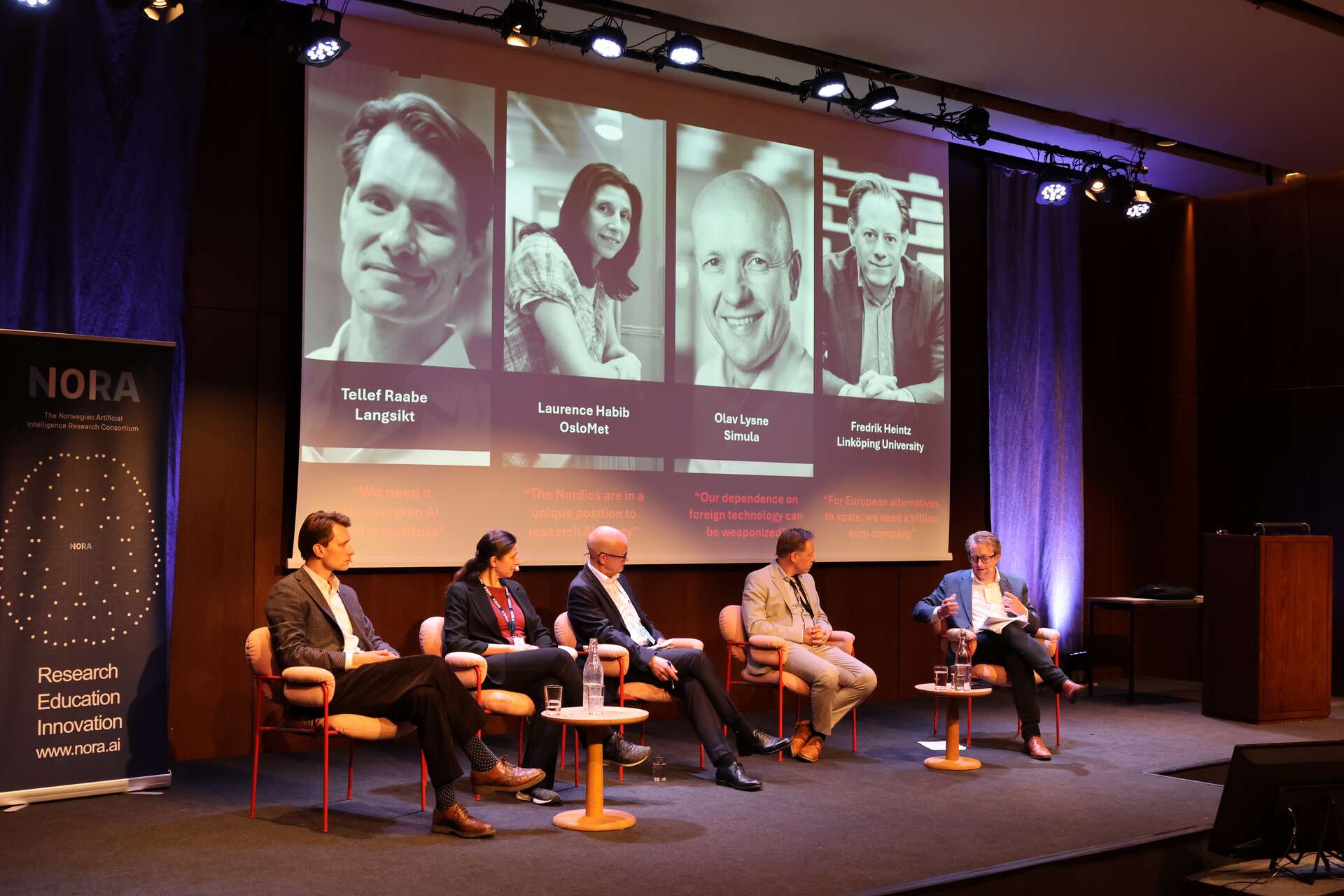
The panel agreed that Norway should avoid passivity in the age of AI. Discussions centered on two key themes: the need for an AI safety institute and the importance of building sovereign AI infrastructure in Europe. Several panelists argued that Nordic governments still underestimate how deeply AI will reshape society, and stressed the need for stronger public investment, better policy guidance, and education on AI from an early age. At the same time, the panel emphasized that Europe must reduce its dependence on American technology by developing its own AI systems and data-sharing infrastructure. While US-based tools can still be used, the speakers argued that Europe needs credible alternatives to avoid becoming permanently dependent on foreign platforms and interests.
Posters, Innovation, and Community
In addition to the keynote programme, participants engaged with a wide-ranging poster session showcasing ongoing AI research from institutions across Norway. The poster sessions provided early-career researchers with opportunities to present their work, receive feedback, and connect with peers and collaborators.
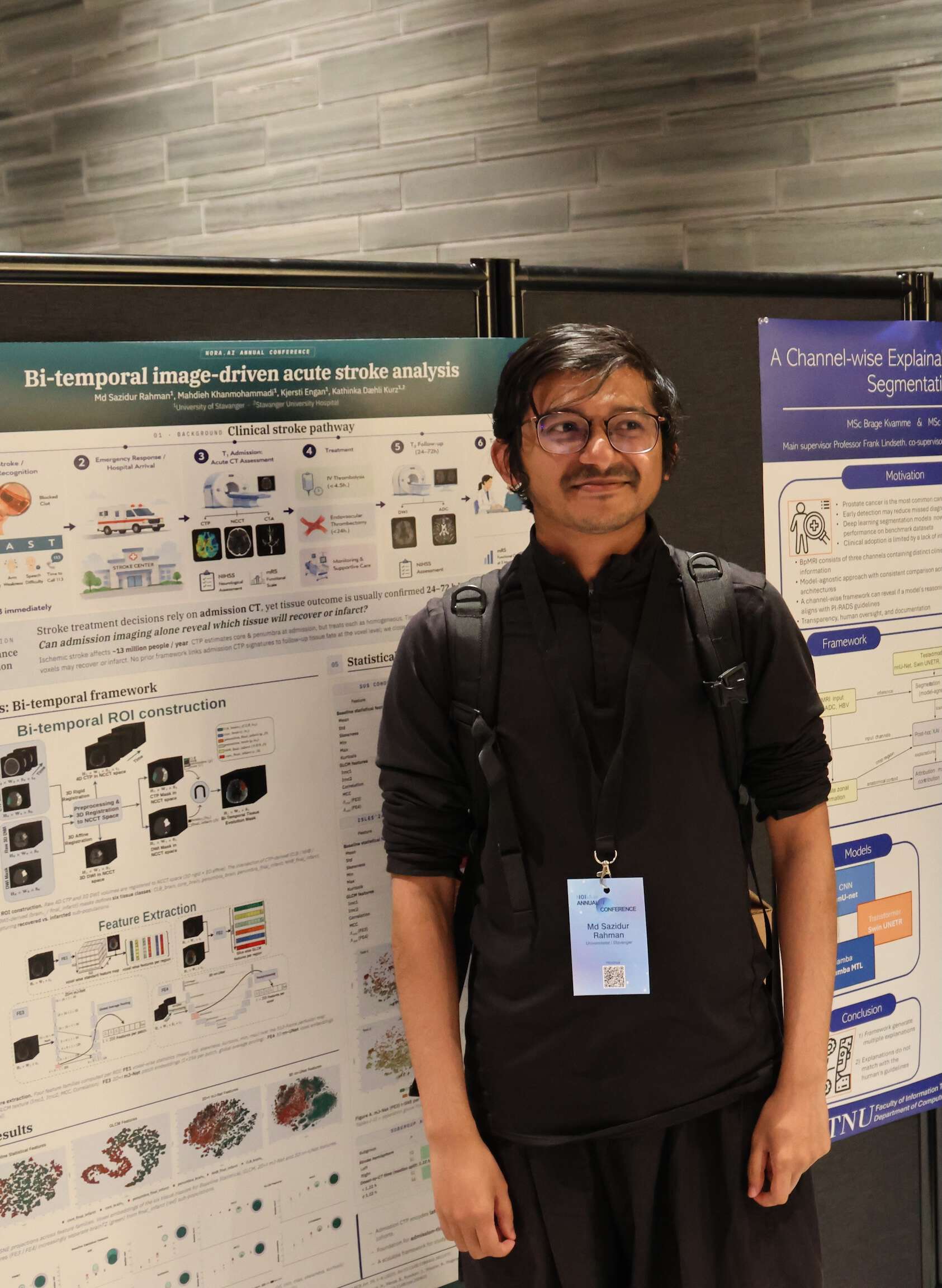
Winner of Best Poster at the NORA Annual Conference 2026 was Md Sazidur Rahman and his team of co-authors Kjersti Engan, Kathinka Dæhli Kurz and Mahdieh Khanmohammadi, with their poster on Bi-Temporal Image-Driven Acute Stroke Evolution Analysis.
The conference also included startup contribution, networking activities, the annual NORA Awards Ceremony, and an artistic programme developed in collaboration with the National Museum and the Centre for AI & Creativity (MishMash), reflecting the conference’s commitment to interdisciplinary engagement between technology, culture, and society.
Networking and Social Aspect
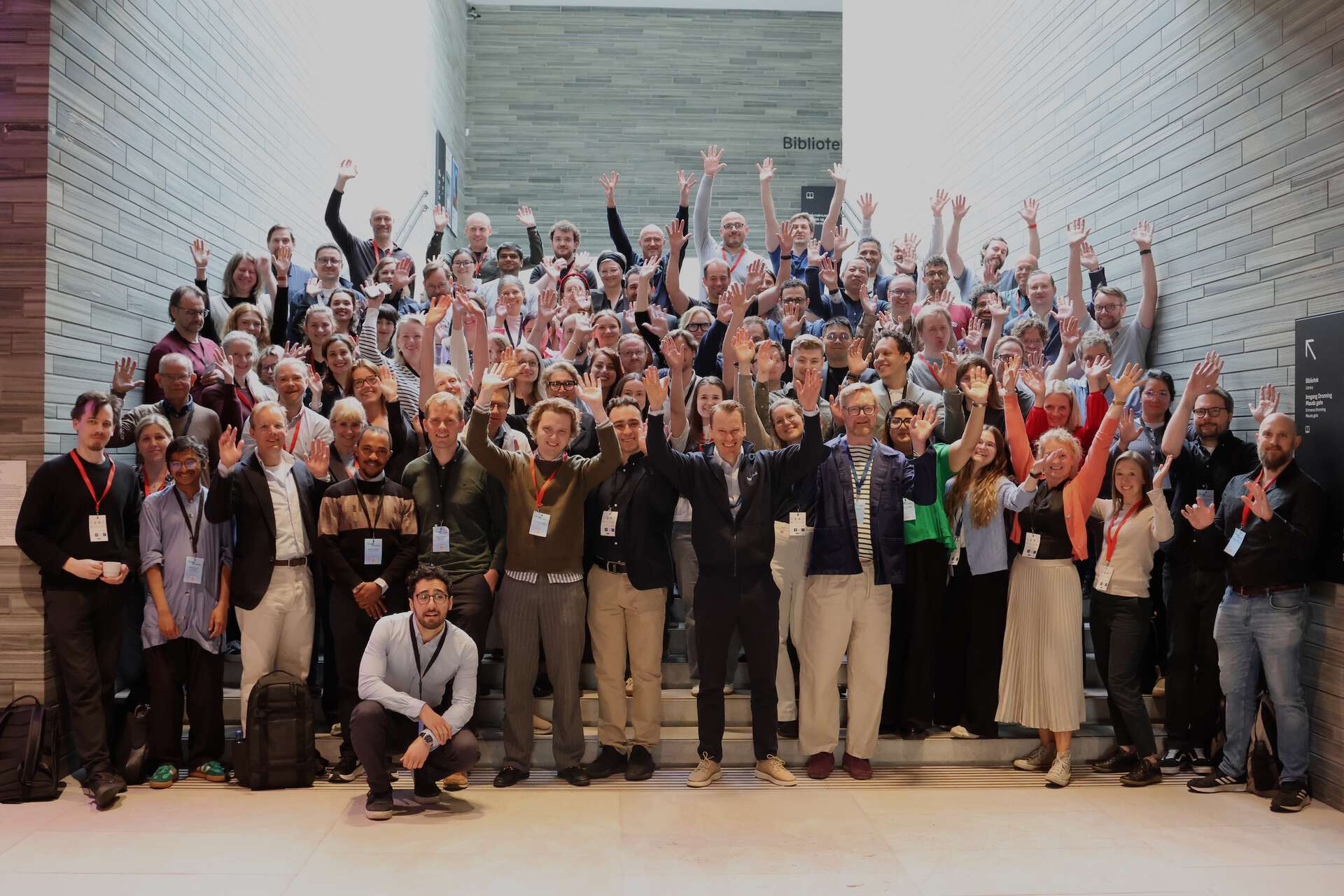
NORA Annual Conference has become a social hub for the Norwegian AI community. This year, the dinner was held at the National Museum on the first day of the conference. The event underscored NORA’s commitment to fostering a collaborative and inclusive AI ecosystem.
Looking Ahead
The NORA Annual Conference 2026 demonstrated both the rapid development and the increasing maturity of the Norwegian AI ecosystem. Across topics ranging from scientific discovery and explainable AI to education, creativity, sustainability, and democratic governance, the conference highlighted the importance of interdisciplinary collaboration and responsible innovation.
As AI continues to reshape research, education, industry, and public life, the conference made clear that Norway’s AI community is actively contributing to both technological advances and critical societal discussions surrounding the future of artificial intelligence.
NORA thanks all speakers, organisers, presenters, volunteers, partners, and participants who contributed to making this year’s conference a success. We look forward to continuing these conversations throughout the year and to welcoming the community again at the NORA Annual Conference 2027 in Bergen.