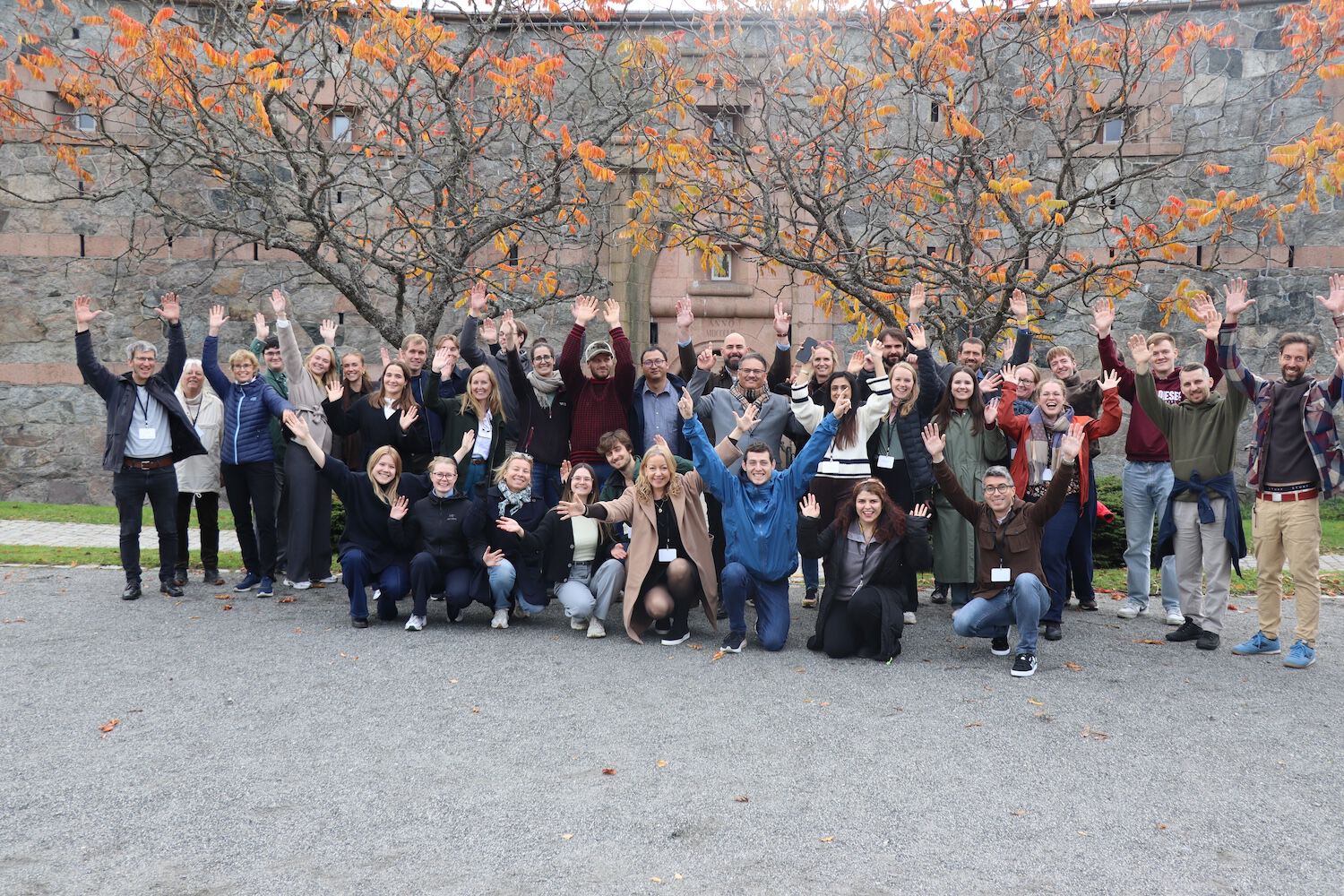
Fostering multidisciplinary collaborations
Set against the backdrop of a site rich in history, the conference program encouraged active participation through hands-on workshops, data competition, scientific talks, poster sessions, and a speed publication workshop.
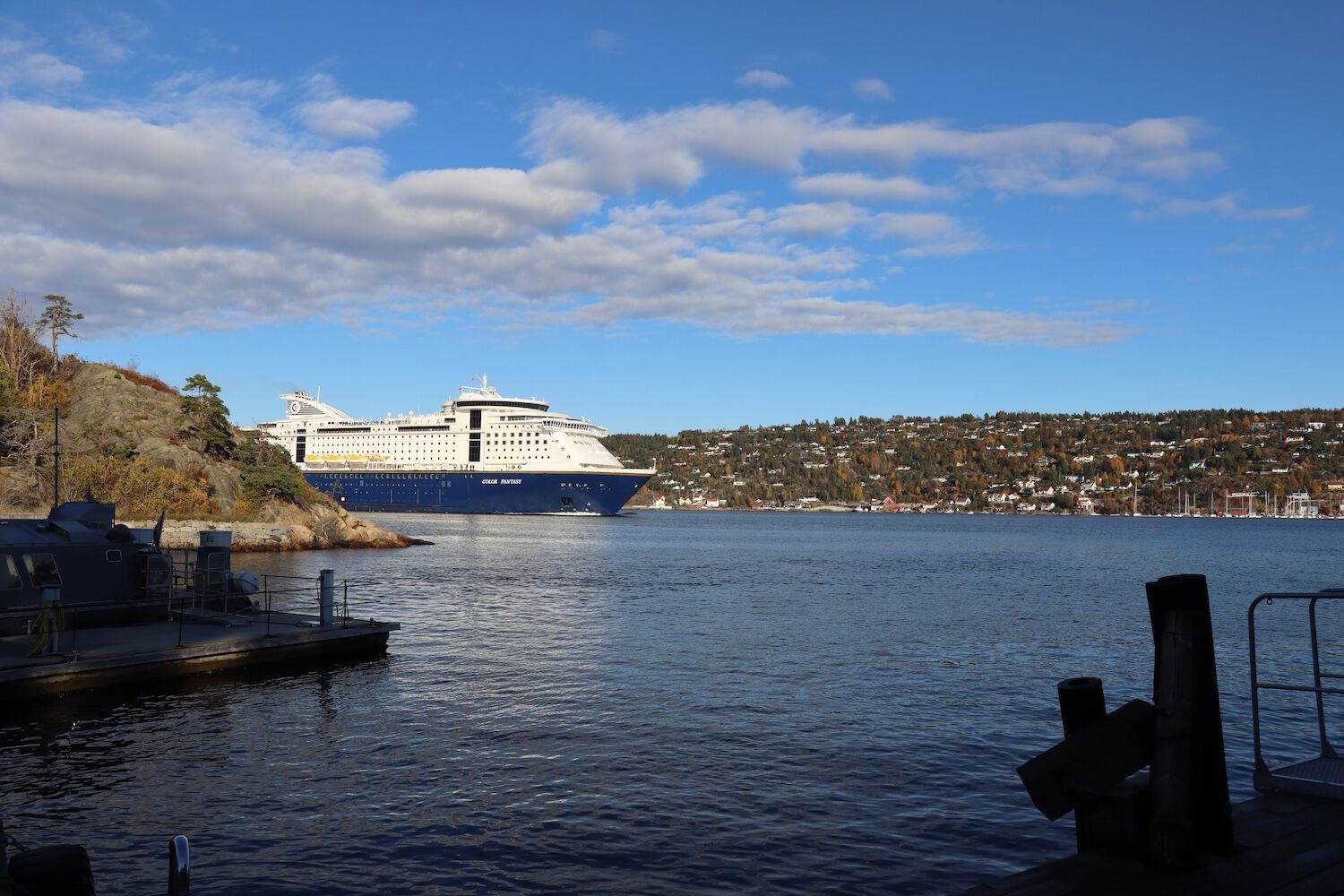
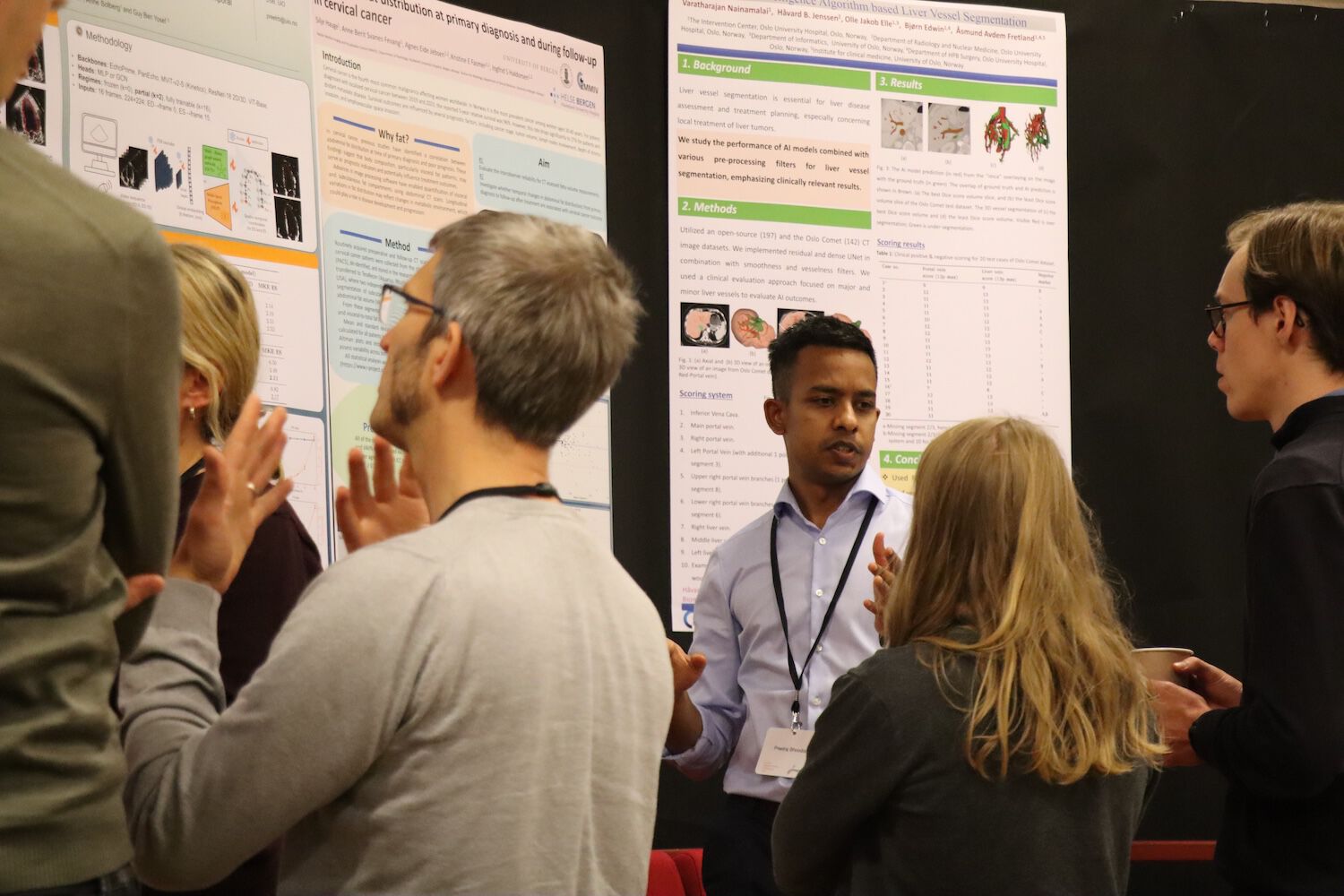
The stunning autumn scenery of Oscarsborg added to the atmosphere, inspiring students to merge historical insights with cutting-edge technology. A series of excellent presentations and posters showcased their commitment to advancing healthcare and medical physics through AI, promoting collaborative efforts across disciplines.
The awards for the best oral presentation and best poster, along with a travel grant of NOK 5000, went to Borghild Tednes Larsen for the presentation Evaluating Iterative Deep Learning as a Labeling-Efficient Strategy for Tubular Segmentation in Digital Nephropathology, and to Preetraj Bhoodoo for the poster Spatio-Temporal Landmark Detection via Foundation Model+Graph Neural Network Integration in Echocardiography.
All teams participating in the medical data competition exceeded the baseline set by organiser Steven Hicks (Simula). The winning team, OncoScope (Sebastian Aas, Toprak Dogramaci, Ute Spiske, Nikolaos Zantalis, Silje Hauge), achieved an impressive F1 score of 0.7762.
The Science
Day 1 – Wednesday, October 15th
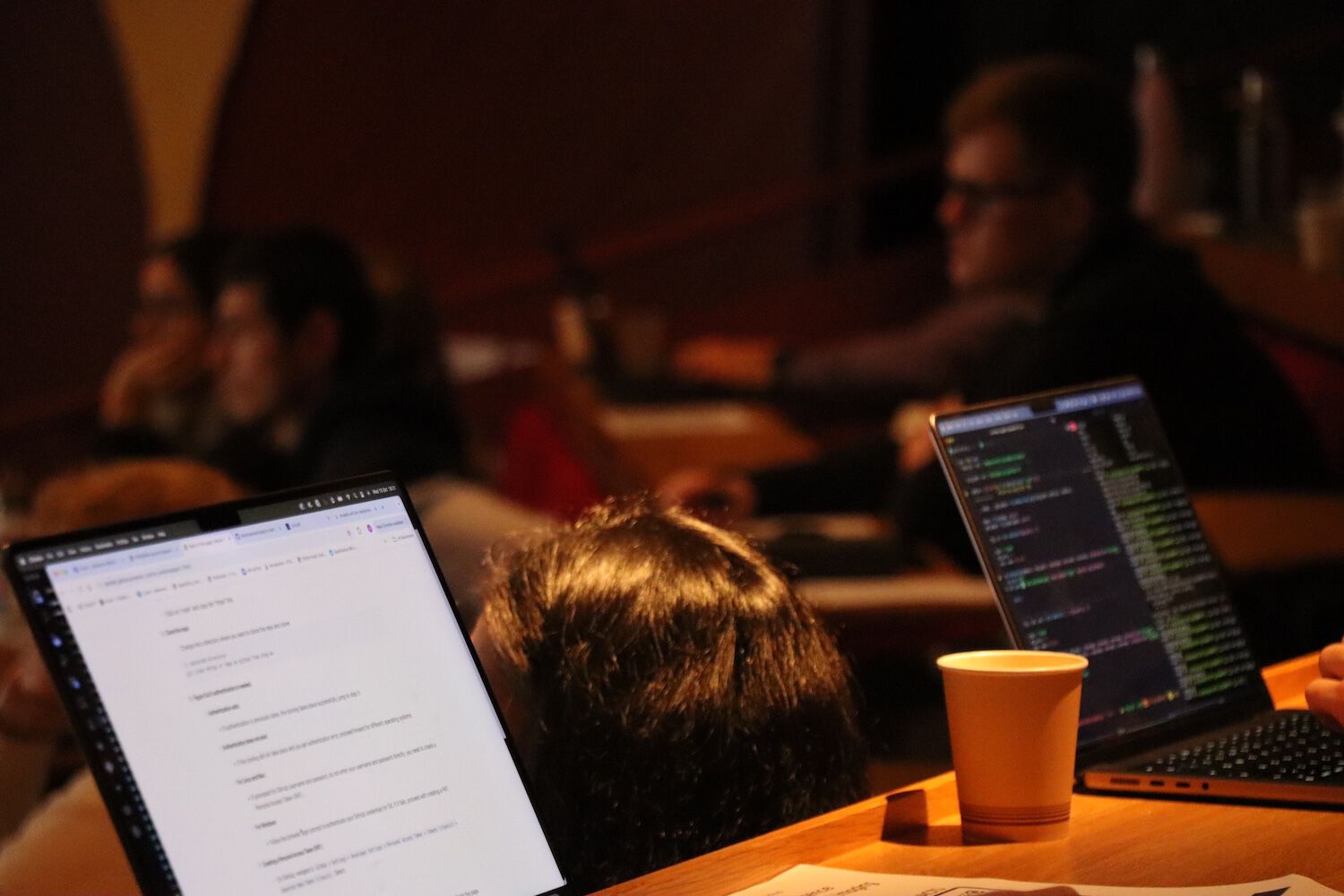
The conference kicked off with an engaging talk by Leif Oltedal (MMIV), emphasizing the importance of a medical AI research school. Ingerid Skjei Knudtsen (NTNU) introduced Medical Imaging Physics for the AI Scientist, followed by Frank Riemen (HUH) who discussed the human aspects of imaging revealed through incomplete data. Cecilia Marie Futsæther (NMBU) completed the day of inspiring keynote presentations with a talk on the basics of Deep-Learning in medical imaging. The first day was wrapped up with a workshop on version control using GitHub, led by Arash Ahmadi (UiO).
Day 2 – Thursday, October 16th
The day began with a deeper dive into the usage of version control with Arash Ahmadi (UiO). Lukas Hirschi (HUH) discussed the application of AI in cancer treatment planning, highlighting its strengths and challenges. Borghild Tednes Larsen (HUH) presented the evaluation of Deep Learning as an efficient labelling strategy for tubular segmentation. Manish Kakar (OUS) introduced multiple AI techniques that enable early detection of radiation induced toxicity in salivary glands.
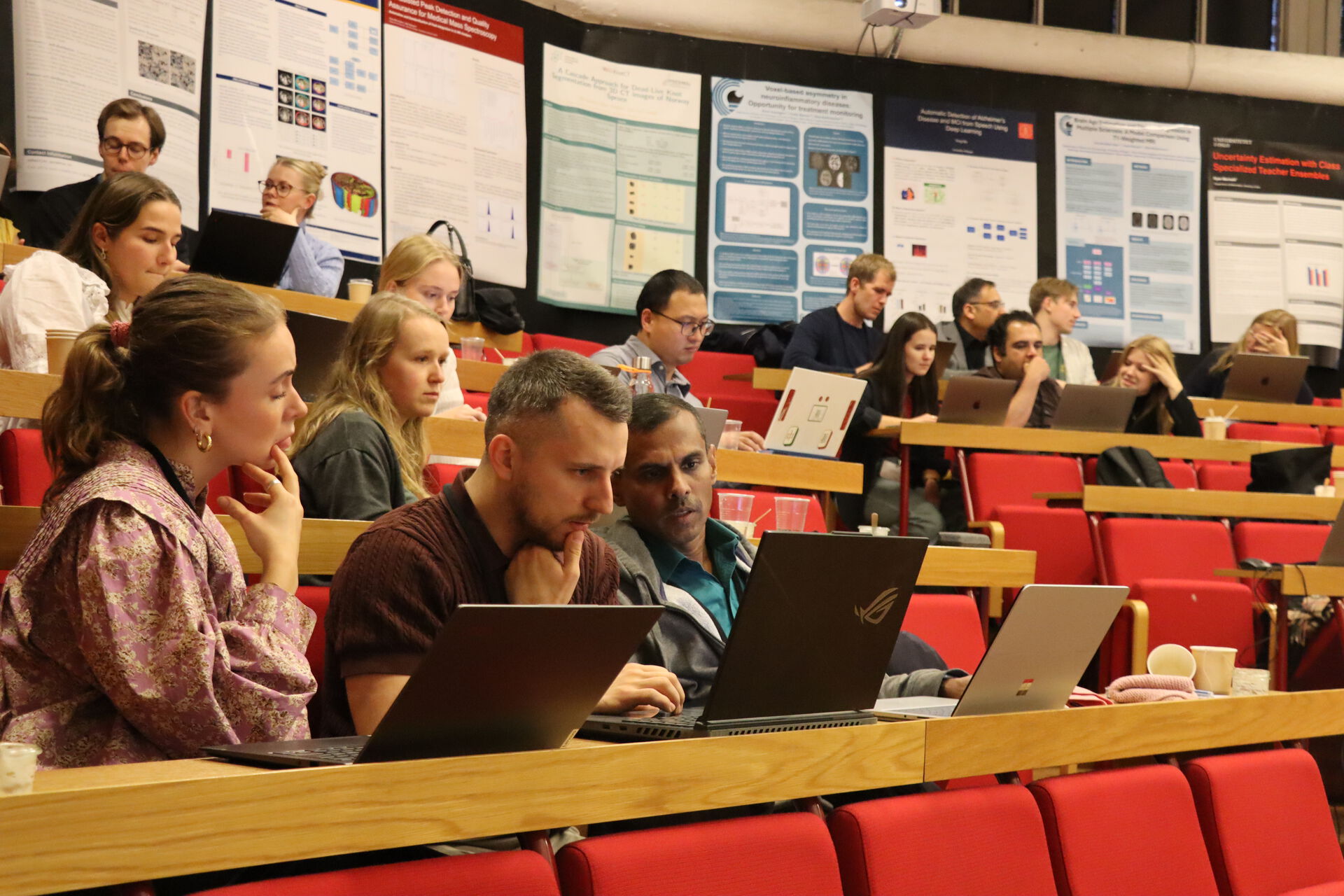
Luca Boretto (OUS) presented an intraoperative 3D reconstruction for laparoscopic liver navigation. Saeid Rezaei (University College Cork) discussed generative reward machines for automated model optimization in medical imaging domain. The short oral presentations concluded with the talk by Christian Salomonsen (UiT) on physics-informed deep learning for improved input function estimation in motion-blurred PET images. The day of engaging presentations was completed with an educational keynote given by Karl Øyvind Mikalsen (SPKI) on AI in medical research and clinical practice. The afternoon featured a medical data contest organized by Steven Hicks (Simula).
Day 3 – Friday, October 17th
Karoline Skogen (OUS) began the final day of the research school with a discussion on the differences between the in-house and commercial AI tools in traumatic brain injury patients from a radiology perspective. Followed by short oral talks by Arina Surko (Østfold University College), Mathilde Gajda Faanes (SINTEF), Ute Spiske (SINTEF), Marianne Hannisdal (UiB) and Erlend Løland Gundersen (NTNU) on their research-based product solutions that has been implemented, including AI-driven genomic database search, breast cancer prognostication and improved blood flow estimation in echocardiography. The last day concluded with an impressive work presented by Samuel Kuttner (UiT), in which he introduced DLIF, a non-invasive, automatically generated input-function for kinetic modelling in dynamic PET.
Networking
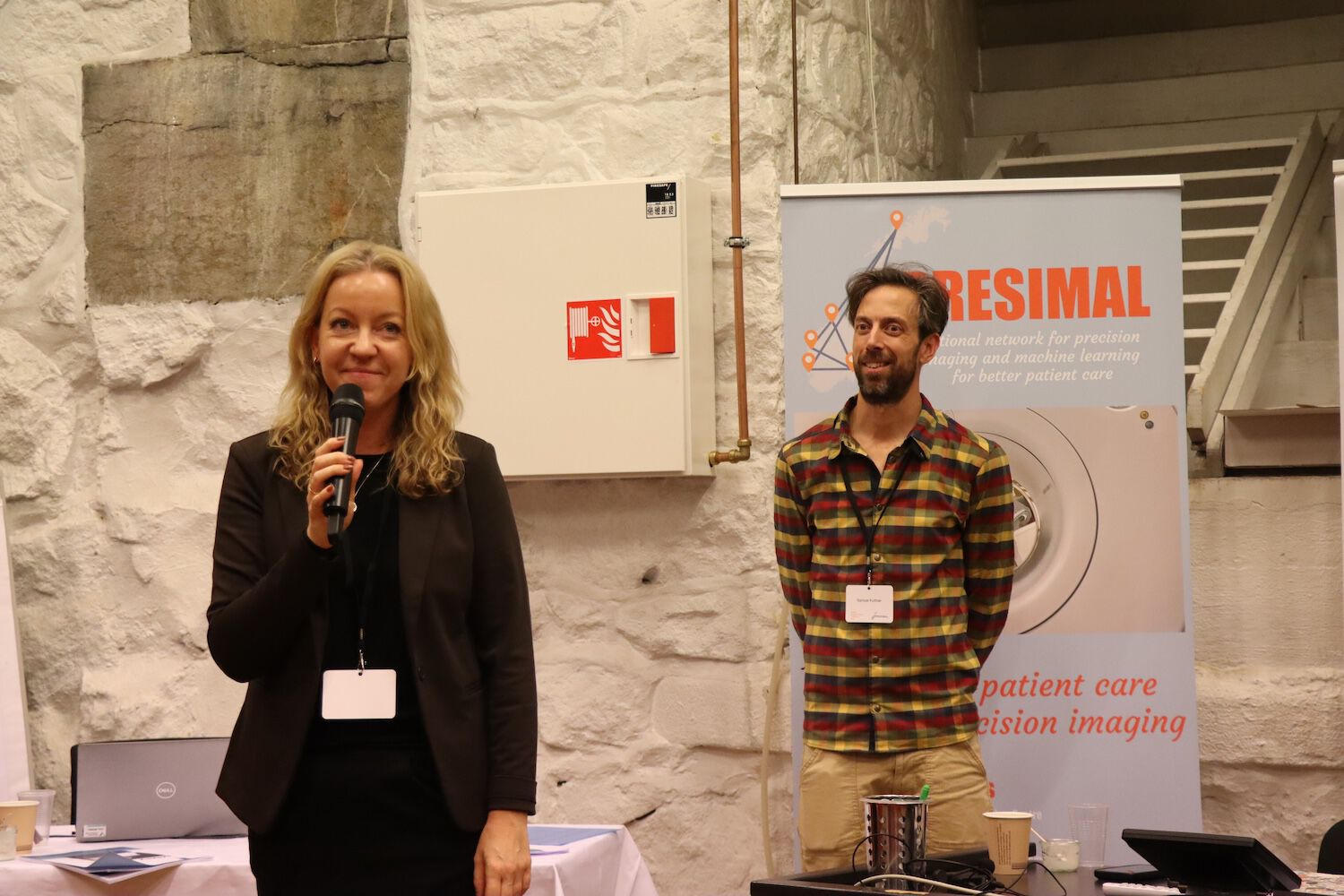
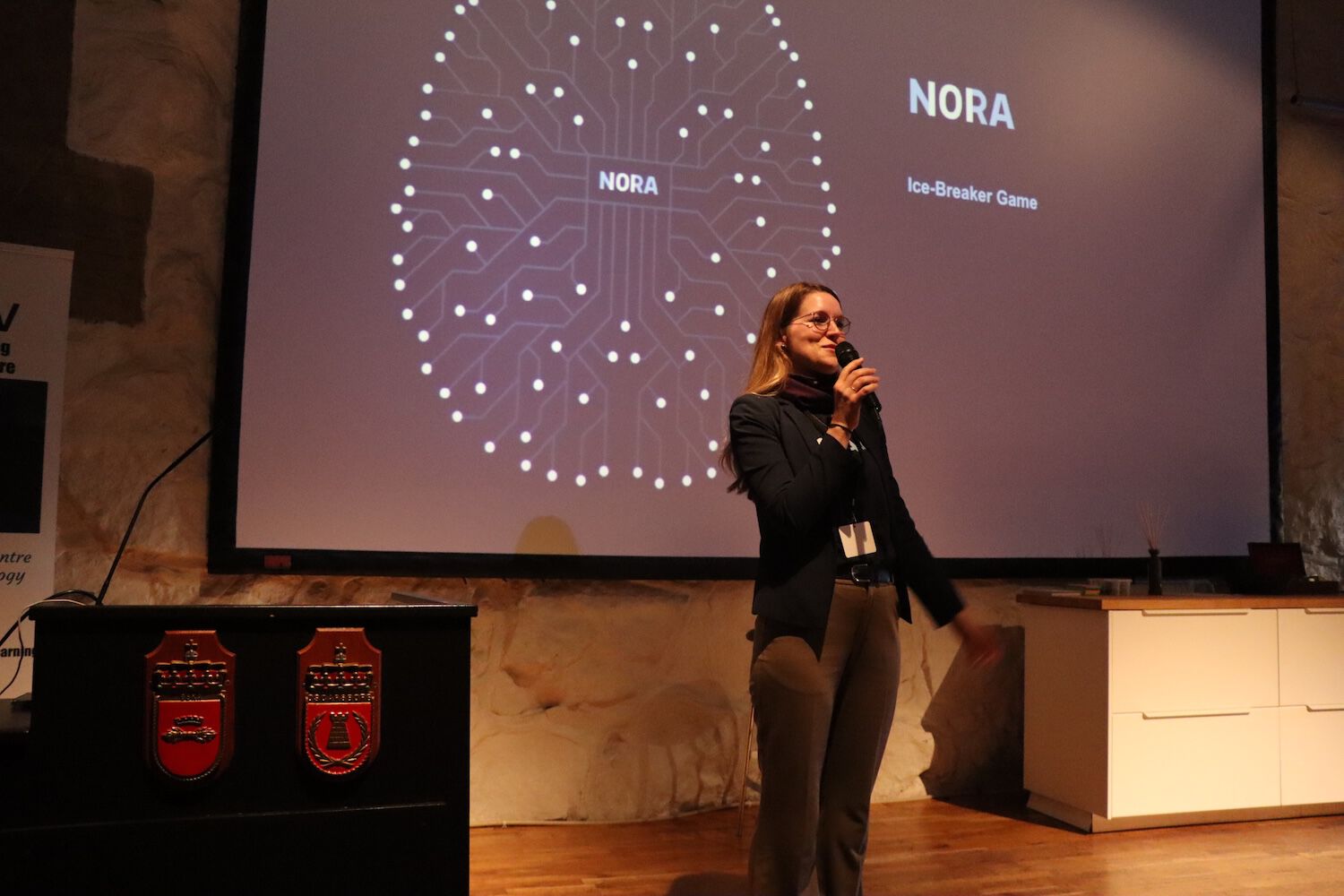
No conference is complete without opportunities for social engagement and networking. During PRESIMAL, participants had their first chance to connect at the Icebreaker workshop organized by Justine Dickoff (NORA) on the opening day.
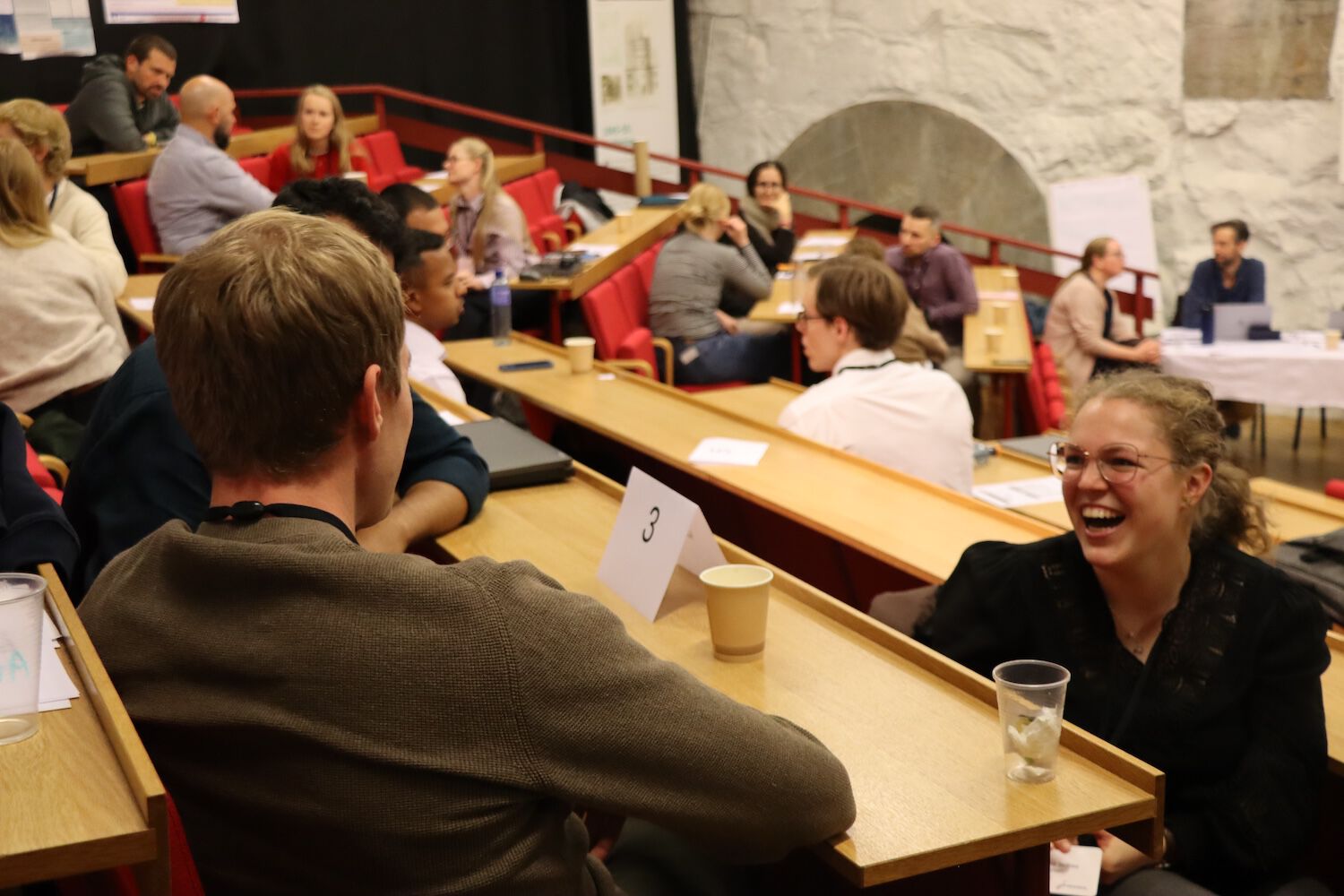
Divided into eight groups of 4-5 members, each group was tasked with finding a common interest; for Group 2, it was their shared love of cooking. The highlight of the event was a scenic walk along Oscarsborg, where participants explored the fortress while reflecting on the significant events of April 9, 1940. On the final day, students and researchers engaged in a speed publication workshop, brainstorming ideas for potential multi-field collaborative publications. We look forward to seeing some of these concepts published in the Nordic Machine Intelligence (NMI) Journal next year!
Tusen takk
The organising community would like to thank all the students, the presenters and Oscarsborg Hotel for making The RESIMAL Autumn Research School a fun, inclusive, educational, and exciting experience!
About PRESIMAL
PRESIMAL unites Norway’s leading research environments in precision imaging and machine learning. The network advances research on machine learning in precision medicine, with a focus on medical imaging across various methods and diseases. It aims to develop more accurate diagnostic tools for improved prognostication and treatment. By sharing imaging data, methods, infrastructure, and interdisciplinary expertise, PRESIMAL accelerates progress in precision imaging. Additionally, the network promotes the creation of national digital platforms for testing machine learning algorithms, driving their translation into clinical practice.